


Think You Know Your Zone 2? It's Probably a Best Guess.
A talk test. 220 minus your age. Whatever number your wrist happened to land on this morning. That's how most people arrive at zone 2 and every one of those methods is an estimate that can fail you in either direction. Some athletes end up training so gently there's barely any aerobic stimulus to speak of. Others think they're taking it easy while quietly grinding through sessions that never let them recover. The only way to find out which camp you're in is to measure your first lactate threshold (LT1) properly.
A Guess Built on Top of Another Guess
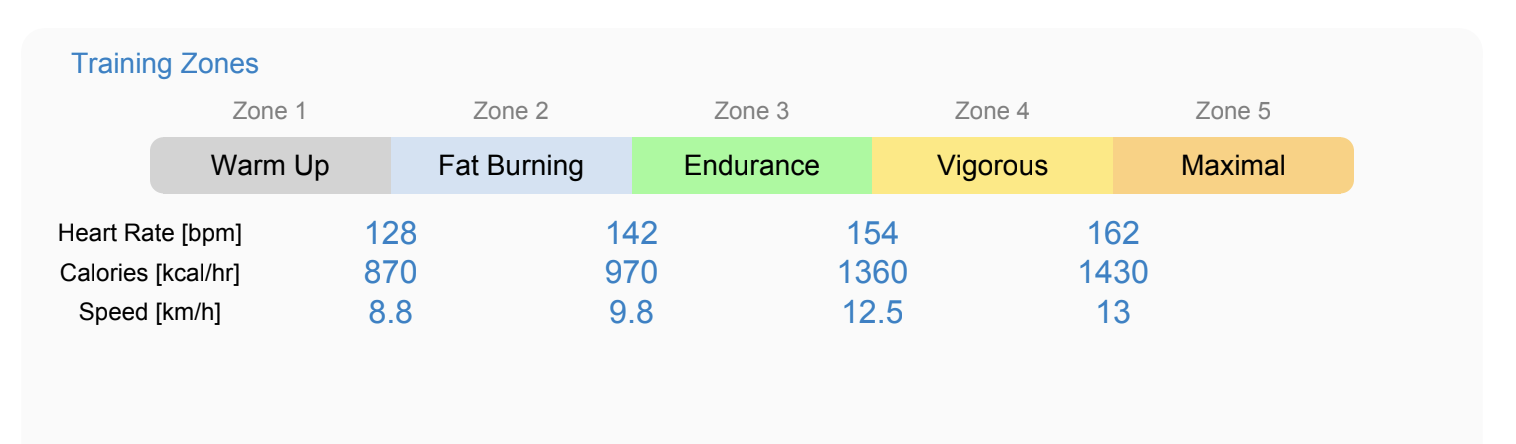
By default, most sports watches set zone 2 at 60–70% of your maximum heart rate. And unless you've entered a max HR you've actually tested for, the watch is calculating that number from 220 minus your age — a formula with a standard deviation of roughly 10–12 bpm across adults. So before the zone percentage is even applied, you're already working from a figure that could be out by more than a full training zone.
Even if your max HR is genuinely accurate, there's a deeper issue that doesn't go away: LT1 simply isn't a fixed percentage of max heart rate. In the athletes we test, LT1 turns up anywhere between roughly 60% and over 80% of max, and where it lands is entirely individual. No formula can predict that number for you it has to be measured.
One Formula, Two Opposite Ways to Get It Wrong
Picture two runners, both setting their zone 2 from the same watch default. For the first, their real LT1 sits well above where the watch has capped their zone. So they've spent years walking hills they didn't need to walk, holding back on paces their body could clearly handle, and banking almost none of the aerobic adaptation they thought they were building.
The second runner has the opposite problem. Their true LT1 actually sits below the watch's zone 2 ceiling, which means every "easy" session has secretly been run too hard. Volume never builds without a breakdown, recovery days don't recover them, and their progress stalls in a way that, from the outside, doesn't look like anything is obviously wrong.
Same formula. Same default settings on the wrist. Two completely different failures and there's no way to tell which one describes you just from how training feels.
How the Popular Field Methods Stack Up
MethodWhere it holds upWhere it falls apartTalk testFree, simple, decent for a typical lactate responseMisleading for efficient lactate-clearers, and for anyone whose breathing shifts under stress or anxiety180–age (Maffetone)Deliberately conservative — a sensible default for general fitnessBiased low on purpose, which can undertrain athletes chasing real performance% of max heart rateAn improvement on 220–age, provided your max is genuinely testedStill assumes LT1 sits at a set % of max — it doesn't, and it varies person to personWatch "threshold" featureHandy for spotting a trend over timeUsually estimating LT2 rather than LT1, and the gap between the two isn't fixed either
Five Warning Signs Worth Paying Attention To
You won't get a precise answer without testing, but your training tends to leave clues along the way.
Your legs feel heavy several days a week instead of fresh after "easy" runs.
Weekly volume won't build without something breaking down — even sensible, gradual increases feel unmanageable.
You have to keep slowing down through a long run just to keep effort feeling steady.
"Easy" sessions leave you tired instead of topped up.
Or the reverse: you're walking every incline to stay in zone, and your easy pace feels almost pointless.
Is Testing Actually Worth It For You?
If you're training a modest few hours a week without a specific goal on the horizon, a formula-based estimate is probably close enough the cost of being a little off is small. That changes once training volume and ambition climb. Once you're putting in five-plus hours a week toward a real target, weeks spent training the wrong zone start costing you meaningful fitness, and at that point testing pays for itself.
If you've been chasing a zone 2 number for months without the fitness improvements that kind of volume should deliver, it's worth finding out whether you've actually been training the system you believe you have.
Our lactate threshold test measures LT1 and LT2 directly from a blood sample rather than estimating from a formula. You leave with your real training zones in heart rate, pace, and power, and your watch recalibrated to match what your body's actually doing.
